
Views: 0 Author: Site Editor Publish Time: 2026-04-22 Origin: Site
Facility managers and municipal planners face a persistent infrastructure challenge. Effective traffic calming often battles high maintenance demands. Weather degradation, snowplow damage, and heavy vehicle wear constantly threaten roadway safety installations. Historically, crews relied on concrete or basic rubber to slow down drivers. Now, we see a crucial transition toward advanced thermoplastics. A premium TPU Speed Hump delivers exceptional lifecycle value. It combines extreme weather resilience, modular design, and rigorous compliance standards into one smart system.
You no longer have to choose between immediate traffic control and long-term durability. By upgrading to modern materials, property managers significantly reduce structural failures. You protect pedestrians while simultaneously shielding maintenance budgets from constant repair cycles. This structural shift moves away from permanent, damage-prone fixtures. Instead, it embraces adaptable, high-strength polymers. Read on to discover how modern engineering completely transforms roadway safety and simplifies facility management.
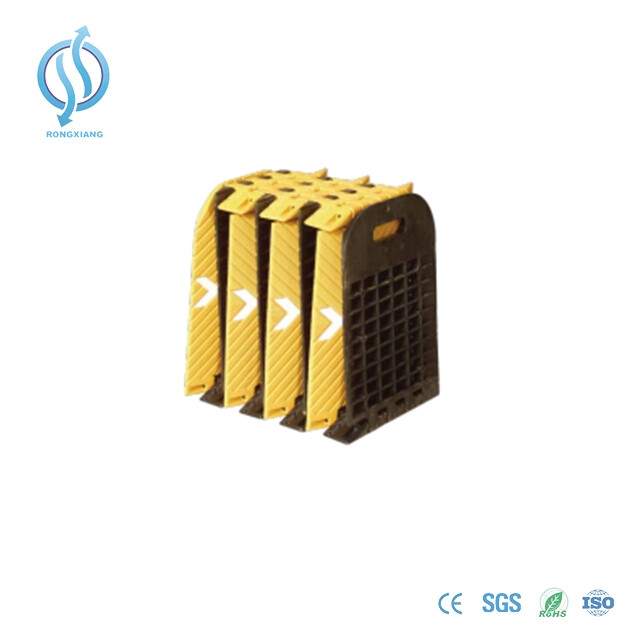
Material Superiority: Industrial-grade TPU outlasts standard rubber, resisting oil, industrial chemicals, and structural warping.
Climate Resilience: Engineered to be -40 to 80 temperature resistant, preventing winter cracking and summer melting.
Verified Safety: CE certified compliance ensures 20-ton load capacities and standardized pedestrian protection.
Operational Efficiency: Tool-light, modular interlocking systems enable fast, easy installation without halting facility operations.
Traffic management requires durable physical infrastructure. Standard asphalt forces property owners into endless repaving cycles. Traditional rubber degrades rapidly under intense UV exposure. It also breaks down quickly when exposed to chemical leaks from parked vehicles. Facility managers constantly repair broken sections. They repaint faded stripes. They replace shattered rubber blocks after heavy trucks roll over them. These recurring issues drain facility budgets. They also create dangerous road conditions for drivers and pedestrians alike.
Thermoplastic Polyurethane (TPU) introduces a massive structural advantage. We must look at the specific chemical and structural properties driving this shift. TPU behaves differently than basic molded rubber. It offers incredible chemical resistance. The material remains completely impervious to gas, oil, and common industrial runoff. This resistance proves critical for parking garages, shipping warehouses, and mechanic yards. Automotive fluids simply wipe off the surface. They do not penetrate or degrade the polymer base.
Furthermore, TPU features remarkable impact memory. It boasts a uniquely high tensile strength. This allows the material to absorb heavy 20-ton commercial vehicle loads seamlessly. The polymer compresses under the weight of a heavy truck. Once the truck passes, the material instantly bounces back. It suffers zero permanent deformation. Standard rubber often flattens over time. It loses its functional height. TPU retains its structural integrity year after year.
Transitioning from permanent concrete or asphalt to modular TPU reduces overall lifecycle costs. It requires zero repainting because manufacturers mold the high-visibility colors directly into the polymer. The pigment runs all the way through the material. Surface scratches do not reveal a dull gray interior. Additionally, modular systems eliminate maintenance downtime. You do not need to close a road for three days to let asphalt cure. You simply bolt the units down and open the lane immediately.
Feature | Traditional Asphalt | Standard Rubber | Premium TPU |
|---|---|---|---|
Chemical Resistance | Low (Degrades from oil) | Moderate | High (Impervious to oil/gas) |
Impact Memory | None (Cracks over time) | Moderate (Flattens) | High (No permanent deformation) |
Color Longevity | Requires frequent repainting | Fades under UV light | Molded-in colors never fade |
Maintenance Downtime | High (Curing time needed) | Medium | Zero (Immediate use) |
Implementation reality often crashes into theoretical design. Seasonal temperature swings aggressively attack rigid speed control devices. Concrete and asphalt crack as water freezes and expands inside tiny fissures. Cheap plastics warp, buckle, or fade under intense direct sunlight. A traffic device is only useful if it survives the environment where you place it. Weather resilience directly determines site safety.
Choosing equipment engineered to be -40 to 80 temperature resistant directly translates to reliable facility safety. The thermal tolerance of premium thermoplastics addresses both ends of the weather spectrum. During brutal winter months, the material resists brittleness. Standard rubber often freezes solid. When a heavy vehicle hits frozen rubber, it shatters into dangerous projectiles. TPU maintains its molecular flexibility. It bends slightly under pressure, even at forty degrees below zero.
The summer months present an entirely different threat. Prolonged heat exposure causes asphalt to soften. It causes low-grade plastics to melt and lose their shape. Premium TPU utilizes an advanced anti-UV coating mixed directly into the resin. This prevents color fading. It maintains absolute structural integrity under baking sun. The surface will not turn sticky. The internal structure will not collapse under heavy summer traffic.
Seasonal adaptability represents a massive operational advantage. Northern climates require aggressive snow removal. A permanent concrete hump destroys expensive snowplow blades. A plow blade can also rip an asphalt hump right out of the ground. TPU systems offer a brilliant workaround. Maintenance teams simply remove the anchor bolts before the first major snowstorm. They store the flat units in a shed during winter snow plowing operations. This protects both the speed control device and the costly snowplow blade. When spring arrives, crews bolt the sections right back into the existing holes.
Mark the installation holes with temporary bright plugs during winter.
Store the modular sections flat on pallets to maintain their shape.
Clean road salt out of the anchor holes before reinstalling in the spring.
Inspect the masonry bolts for rust and replace them if necessary.
Property managers face immense liability risks daily. Vehicle hydroplaning and pedestrian slips rank among the highest hazards. Smooth traffic calming devices become extremely dangerous during rainstorms. A wet, flat piece of rubber acts exactly like black ice. Drivers lose steering control. Pedestrians slip and suffer severe injuries. Mitigating these risks requires advanced surface engineering.
Friction mechanics dictate how a vehicle interacts with the road. Manufacturers design an intricate anti-skid surface pattern to solve this problem. These multi-directional textures serve two distinct physical purposes. First, they focus on rapid water displacement. The molded textures act like tiny gutters. They channel away heavy rain and melting snow. This prevents dangerous ice glazing from forming on the top crest. It stops puddles from accumulating where tires need grip the most.
Second, the texture delivers incredible stopping power. The diamond or cross-hatched patterns physically bite into tire treads. This design enhances tire grip significantly. Industry tests show up to a 35% friction improvement compared to smooth asphalt. The specialized surface grips tires tightly. However, it does so without catching or damaging low-clearance vehicle chassis. The friction stays purely at the tire contact patch.
Visibility integration connects directly to this physical texture. Excellent traction matters very little if a driver cannot see the obstacle. Manufacturers mold high-visibility yellow and black color schemes right into the textured surface. This contrast breaks up the visual field for approaching drivers. It forces them to acknowledge the device early. The non-fade colors dramatically reduce accident risks in low-light environments, like poorly lit parking garages or heavy rainstorms.
The compliance lens changes everything for modern procurement. B2B and B2G buyers cannot rely on unverified safety claims. You cannot trust an unbranded catalog description when public safety is at stake. Procurement requires standardized proof. Insurance companies and municipal regulators demand verified testing data before approving any infrastructure project. Without this data, property owners carry massive financial risk.
Securing a CE certified solution validates your entire traffic safety strategy. This certification, often alongside SGS and RoHS alignments, guarantees specific engineering outcomes. It removes the guesswork from facility upgrades.
Consider what this certification actually validates in the real world:
Rigorous Load Testing: The certification proves the material can handle safe passage for heavy commercial trucks. It ensures fire trucks and ambulances can cross without catastrophic device failure. The 20-ton capacity is legally documented, not just guessed.
Toxicity and Environmental Safety: Standardized alignments ensure no harmful chemicals exist in the polymer. Cheaper, unverified plastics often leach toxic oils into municipal groundwater during heavy rain. Certified TPU remains inert and environmentally safe.
Manufacturing Consistency: Certification guarantees that every single module leaving the factory meets the exact same dimensional and strength tolerances.
Liability reduction drives smart facility planning. Uncertified infrastructure leaves property managers exposed. Using certified components actively protects private estates, school zones, and commercial yards. If a traffic incident occurs, lawyers look for negligence. Documenting that you installed internationally tested, verified safety devices shuts down negligence claims quickly. It proves you prioritized public safety using accepted industry standards.
Labor bottlenecks cripple traditional traffic calming projects. Pouring asphalt requires heavy machinery. You need dump trucks, steamrollers, and large crews. The material requires significant curing time. This leads to extended road closures. Closing a busy warehouse entrance or a hospital drop-off zone for 48 hours causes massive operational headaches. The traditional approach costs too much time and money.
The modular solution completely rewrites this process. Modern systems prioritize an easy installation framework. You bypass the heavy machinery entirely. You keep traffic flowing in adjacent lanes. Facility teams handle the deployment internally without hiring specialized paving contractors.
Let us break down the exact deployment reality. The design focuses on single-person setup. Individual sections weigh approximately 12kg each. This lightweight profile means no specialized lifting equipment is required. A single maintenance worker can carry a section off a pickup truck and place it directly onto the road. This reduces labor costs and prevents workplace lifting injuries.
The system utilizes a patented tongue-and-groove interlocking design. The modules snap together like puzzle pieces. This engineering detail is critical. When a heavy truck brakes aggressively against the device, the force transfers across the entire interlocked line. The puzzle-piece connections prevent individual sections from shifting, twisting, or breaking loose under heavy braking forces.
Finally, consider the remarkable time-to-value. A standard installation takes only 15 to 20 minutes per unit. The process uses basic, everyday tools. The installer lays down the interlocked sections. They drill pilot holes directly through the pre-molded mounting points using a standard hammer drill. They drive masonry bolts or anchors into the concrete or asphalt. The lane opens to traffic the very same hour.
Skipping end caps: Always install rounded end caps to protect the interlocking joints from edge-impact damage.
Loose anchoring: Failing to clean dust out of the drilled holes prevents masonry anchors from gripping properly.
Misaligned placement: Installing the device at a slight angle instead of perfectly perpendicular to traffic flow causes uneven tire wear.
Purchasing the wrong hardware creates entirely new safety hazards. Facility managers must understand exactly what type of traffic calming device their specific road requires. Provide a clear, decision-focused distinction. This ensures buyers procure the right hardware for the right environment.
The primary distinction lies between humps and bumps. They sound similar, but they perform vastly different mechanical functions. Understanding target speed limits is the first step. Humps feature a broader, parabolic shape. They gently lift the vehicle. This naturally slows traffic to a manageable 10–20 mph. They achieve this without causing jarring, aggressive stops. Bumps feature a narrow, aggressive profile. They force speeds down drastically to 2–10 mph. A bump acts like a harsh physical wall, while a hump acts like a gentle wave.
Traffic flow and emergency vehicles dictate your final choice. The gradual slopes on TPU humps accommodate emergency vehicle wheelbases smoothly. A fire truck can maintain a steady, safe speed over a broad hump. An aggressive bump forces that same fire truck to come to a near-complete stop. This slight delay costs lives during an emergency response. Humps maintain continuous, calm traffic flow significantly better than abrupt bumps.
Ideal applications vary based on these physical traits. Industry standards strongly recommend humps for residential roads. They belong in hospital zones where patient comfort matters. They work perfectly in continuous-flow parking structures. You want vehicles moving safely, not stopping completely. Save aggressive bumps for tight pedestrian crosswalks, toll booths, or dead-end loading docks where absolute minimal speed is strictly required.
An anti-skid TPU speed hump represents far more than a simple physical barrier. It stands as a highly engineered safety system. This modern solution perfectly balances necessary traffic calming with long-term infrastructure longevity. Upgrading from brittle asphalt or fading rubber eliminates recurring maintenance headaches. It creates a safer, more reliable environment for drivers and pedestrians alike.
Buyers must carefully evaluate their specific site needs before moving forward. Look closely at your daily traffic volume. Consider your exposure to extreme weather and seasonal snow removal. Calculate the average vehicle weight passing through your gates. The right modular system handles all these variables effortlessly, provided you choose verified, industrial-grade materials.
Take the next step toward securing your facility. Consult with a dedicated traffic safety specialist today. They can help you accurately verify your lane widths to ensure a perfect fit. Request a material sample to feel the heavy-duty polymer yourself. Review bulk procurement pricing to maximize your operational budget. Safe, efficient roads start with smart, data-driven infrastructure choices.
A: Standard parking lanes are typically 9–12 feet wide. You should measure your specific lane precisely. We recommend leaving minimal gaps (about 6 to 12 inches) at the edges. This ensures vehicles cannot swerve around the device. You simply calculate the exact number of interlocking middle sections required to fill the center space, then add two rounded end caps to finish the installation cleanly.
A: No. A speed hump features a gradual, parabolic design. Unlike a severe, narrow speed bump, the hump is specifically engineered to lift and lower vehicles safely. It effectively slows traffic without causing undercarriage scraping or chassis damage, provided the driver navigates the device at the posted speed limit.
A: Yes. The modular design features a temporary anchoring system. Facility teams can easily unbolt the units before a major snowstorm. You simply store the sections flat in a dry area. This protects both the modules and your snowplow blades. In the spring, you reinstall them directly into the same anchor points.
A: Yes. The premium TPU material provides a massive 20-ton load capacity. The wider footprint and gradual slope allow fire trucks and ambulances to pass safely without damaging their suspension. If local fire codes dictate specific wheel-track cutouts, you might briefly look into "speed cushions," which offer customized lane spacing.
 English


