
A few inches can mean costly damage in a parking lot. Many properties install Wheel Stops, yet few place or secure them correctly. When positioned with care, they prevent vehicle overhang, protect walls and walkways, and create consistent parking alignment. They do more than stop tires; they control depth, improve traffic flow, and safeguard infrastructure. In this article, you will learn how to select, position, install, and maintain Wheel Stops so they perform reliably in commercial, residential, and industrial environments.
Before placing Wheel Stops, study the parking layout. Front-in parking differs from rear-in setups. Vehicle overhang changes stopping distance. Passenger cars need less clearance than SUVs or light trucks. In loading yards, forklifts and vans require stronger units and precise alignment. Measure the average wheelbase and bumper projection. This ensures vehicles stop without touching walls or blocking pedestrian routes. When we match the layout to vehicle type, Wheel Stops function as accurate positioning tools rather than random barriers.
Correct placement determines effectiveness. Most commercial lots position Wheel Stops about 2–3 feet from a wall or curb. This allows tire contact while preventing bumper collision. Adjust placement based on kerb height and slope. In EV charging areas, alignment must support cable reach without strain. Center each Wheel Stop within the parking bay so both tires engage evenly. When installed symmetrically, they improve uniform parking and reduce accidental overhang into walkways.
Surface type changes installation method. Asphalt requires anchor pins driven through pre-drilled holes. Concrete surfaces need expansion bolts secured by a hammer drill. Gravel areas may require epoxy reinforcement to ensure firm anchoring. Wheel Stops must sit flush against the surface. If they shift under pressure, alignment fails. Proper fastening ensures stability under repeated tire contact and weather exposure. Secure installation supports long-term durability and consistent performance.
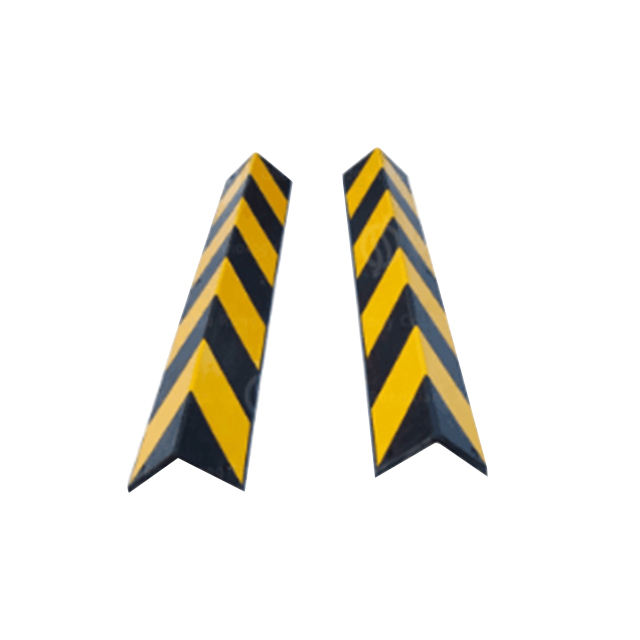
Rubber Wheel Stops are widely used in commercial parking environments where fast installation and long-term surface protection matter. Their material composition, load capacity, and reflective features make them suitable for both indoor and outdoor applications. The structured overview below highlights key specifications, performance data, applications, and technical considerations to support informed selection.
| Category | Technical Specification / Data | Application Guidance | Engineering & Safety Notes |
|---|---|---|---|
| Material Composition | 100% recycled rubber or blended SBR rubber (industry standard) | Suitable for asphalt, concrete, and compacted base surfaces | Recycled rubber improves impact absorption and surface conformity |
| Typical Weight (per 1650mm unit) | 10–16 kg (22–35 lbs) depending on manufacturer | Single-person handling and positioning possible | Lower weight reduces installation labor but requires secure anchoring |
| Standard Dimensions | Length: 1650 mm (65 in) Height: 90–100 mm (3.5–4 in) Width: 150–165 mm (6–6.5 in) | Matches common parking bay widths in commercial lots | Height aligns with AS/NZS 2890.1 parking guidance (90–100 mm) |
| Load Capacity | Commonly rated up to 15,000 kg (≈33,000 lbs) static load (varies by manufacturer) | Suitable for passenger cars, SUVs, light trucks | Confirm manufacturer rating for heavy vehicle zones |
| Reflective Markings | Embedded or bonded yellow reflective tape (typically 50–100 mm width) | Improves visibility in underground garages and low-light areas | Reflective tape should meet local traffic visibility standards |
| Temperature Resistance | Operational range commonly −40°C to +60°C | Outdoor installations in varied climates | Rubber maintains flexibility under thermal expansion cycles |
| UV & Weather Resistance | UV-stabilized compounds used in commercial-grade units | Recommended for open parking lots and EV charging areas | Reduces cracking and color fading over time |
| Impact Absorption | Elastic modulus allows minor deformation under tire pressure | Reduces tire and pavement stress | Helps prevent surface cracking on asphalt |
| Surface Compatibility | Asphalt: anchor pins 13 mm diameter x 360 mm length Concrete: 12 mm diameter expansion bolts x 150 mm length | Follow surface-specific anchoring method | Pre-drill to approx. 100 mm depth for stable fixing |
| Installation Method | 2–3 anchor points per unit (industry norm) | Align centrally within parking bay | Ensure anchors are corrosion-resistant for outdoor use |
| Common Applications | Office complexes, retail parking, EV charging stations, residential garages | High-turnover vehicle areas | Ideal where surface preservation is important |
| Maintenance Profile | Periodic bolt inspection and reflective strip cleaning | Quarterly checks recommended in commercial lots | Replace worn reflective tape to maintain visibility |
Tip:When installing Rubber Wheel Stops in EV charging zones, verify stopping distance aligns with charging cable length and connector height to prevent cable strain and premature wear.
Concrete Wheel Stops perform well in high-traffic zones. They withstand frequent vehicle contact and maintain structural shape over time. They suit truck bays, distribution centers, and industrial yards. Their weight adds stability, and they anchor firmly into concrete slabs. When properly installed, they control heavy vehicle movement effectively. For long-term infrastructure planning, concrete units offer consistent alignment and minimal surface flex.
Recycled plastic Wheel Stops provide lightweight and eco-conscious solutions. They install quickly and resist chemicals and moisture. Metal Wheel Stops serve specialized industrial settings where reinforced control is required. Each material should match traffic intensity and environmental conditions. Temporary setups benefit from plastic units due to mobility. Industrial yards benefit from stronger materials suited for controlled impact. Choosing the right material ensures Wheel Stops perform reliably under site-specific demands.
Asphalt requires careful anchoring because it is more flexible than concrete. Drill guide holes approximately 100 mm deep using a 12 mm masonry bit to ensure sufficient embedment. Anchor pins commonly measure about 13 mm in diameter and 300–360 mm in length to provide deeper grip within the asphalt base layer. If the asphalt thickness is limited, epoxy adhesive can improve bond strength and reduce lateral movement. Installation should occur when pavement temperature is moderate, as extreme heat softens asphalt and may reduce anchor holding strength. Proper embedment depth and alignment help distribute tire load evenly across the surface.
Concrete provides higher compressive strength, so expansion bolts are typically used for secure fastening. A 12 mm diameter expansion bolt with a length of around 150 mm is common for standard Wheel Stops. Drill holes to uniform depth, usually 100 mm, ensuring the hole remains straight to prevent anchor misalignment. Clean dust from each hole to maximize friction between bolt sleeve and concrete wall. Torque bolts evenly to avoid stress concentration at one end of the unit. Correct installation prevents rocking under repeated tire impact and ensures long-term resistance against freeze-thaw cycles and vibration.
After installation, perform a low-speed approach test, typically below 5 km/h, to evaluate tire contact and resistance. Observe whether both front tires engage simultaneously, confirming centered alignment within the parking bay. Check for any lateral shift or audible movement during contact. Inspect anchor points after the test to confirm no loosening occurred. Evaluate visual recognition distance under standard lighting conditions to ensure drivers can easily identify the stopping point. Controlled testing verifies functional performance and helps confirm that the Wheel Stop delivers consistent positioning across multiple parking spaces.
In commercial parking lots, Wheel Stops improve spatial efficiency by defining consistent stopping lines that maximize usable bay depth. Standard parking bay lengths typically range from 4.8 to 5.5 meters, and proper Wheel Stop placement helps maintain that design intent. They reduce vehicle overhang into pedestrian corridors, which often require a minimum clear width for safe circulation. In multi-level garages, they also protect ventilation walls, sprinkler risers, and support columns from low-speed tire impact. By creating predictable stopping points, they enhance traffic flow patterns and reduce minor body damage incidents in high-turnover environments.
At EV charging stations, stopping precision directly affects charging accessibility. Charging cables often range between 3 to 5 meters in length, and consistent Wheel Stop placement ensures vehicles park within effective connector reach. This prevents cable tension and reduces wear on charging ports. In office campuses, Wheel Stops protect glazing systems, curtain walls, and pedestrian plazas from slow-speed approach. When integrated with bollards, they create a layered safety design: Wheel Stops control tire positioning while bollards resist higher-force impact. This coordinated approach supports both asset protection and pedestrian safety in high-visibility corporate environments.
In industrial yards, Wheel Stops assist in maintaining alignment for trucks reversing into loading bays. Proper placement supports consistent dock engagement, which improves sealing performance for dock shelters and reduces energy loss. Heavy-duty units are commonly positioned to control low-speed backing movement, typically below 10 km/h in yard operations. They help protect dock levelers, wall panels, and safety barriers from tire pressure and misalignment. In forklift zones, Wheel Stops can define controlled staging areas, improving workflow clarity and reducing accidental structural contact during repetitive loading cycles.
Clear visual identification is essential for Wheel Stops, especially in underground garages, EV charging areas, and nighttime parking environments. Reflective materials, color contrast, and dimensional visibility all contribute to driver recognition and pedestrian safety. The structured overview below outlines practical visibility standards, measurable parameters, and real-world application guidance.
| Category | Technical Specification / Data | Application Scenario | Engineering & Safety Considerations |
|---|---|---|---|
| Color Contrast Requirement | High-contrast combinations such as black/yellow or black/orange (commonly ≥70% visual contrast difference, industry practice) | Commercial parking lots, retail centers, public garages | High contrast improves object detection under low-lux lighting |
| Reflective Tape Width | Typically 50–100 mm (2–4 inches) reflective band | Underground parking, EV stations | Wider bands improve recognition distance for drivers |
| Retroreflectivity Standard | ASTM D4956 compliant reflective sheeting commonly used (Type I or higher) | Low-light and enclosed structures | ASTM D4956 defines minimum retroreflective performance levels |
| Minimum Illuminance Context | Typical parking garage lighting: 50–100 lux (IES recommendation range for parking areas) | Indoor or basement facilities | Reflective materials compensate for reduced lux levels |
| Height for Visual Detection | Standard Wheel Stop height: 90–100 mm (3.5–4 in) | All commercial parking installations | Height aligns with AS/NZS 2890.1 parking standard guidance |
| Edge Visibility Design | Chamfered or sloped edges (commonly 30°–45° angle) | Pedestrian-adjacent bays | Sloped edges reduce trip hazard risk |
| Material Reflectivity Durability | UV-stabilized reflective film rated for outdoor exposure (varies by manufacturer; often 3–7 years performance life) | Outdoor lots with sun exposure | UV resistance prevents fading and maintains luminance intensity |
| Nighttime Recognition Distance | Reflective bands visible at 30–50 meters under vehicle headlights (dependent on headlight intensity and reflective grade) | Open-air parking lots | Higher-grade reflective material improves long-distance recognition |
| Surface Cleanliness Impact | Dirt accumulation can reduce reflective efficiency by >30% (industry observation data; requires verification per site conditions) | High-traffic environments | Regular cleaning preserves reflectivity performance |
| Compliance Consideration | ADA requires parking features not create tripping hazards; visible markings reduce pedestrian risk | Accessible parking bays | Visibility supports safer navigation for mobility-impaired users |
Tip:In underground garages, combine high-contrast color with ASTM-rated reflective tape to maintain visibility when lighting drops below 75 lux during off-peak hours.
Wheel Stops in accessible parking areas must be placed so they never reduce the required clear access aisle width, which under ADA Standards is typically at least 1.5 m (60 inches) for van-accessible spaces. They should not intrude into the 1.2 m (48 inches) minimum access route leading to building entrances. Proper alignment ensures wheelchair users can deploy ramps and transfer safely without obstruction. Height commonly remains within 90–100 mm to avoid creating a trip edge while still providing tire engagement. Placement must also maintain unobstructed drainage flow and emergency vehicle paths, ensuring accessibility and site safety function together.
A structured maintenance program improves long-term reliability. Inspect Wheel Stops at defined intervals, such as quarterly in commercial facilities, checking anchor torque, bolt corrosion, and surface stability. Loose anchors reduce holding strength and can allow lateral movement under repeated tire contact. Reflective strips should be cleaned to maintain luminance and replaced if fading reduces visibility. Surface gaps between the Wheel Stop and pavement should be corrected to prevent water intrusion and freeze-thaw damage. Documented inspections support facility risk management and extend service life while maintaining consistent parking alignment performance.
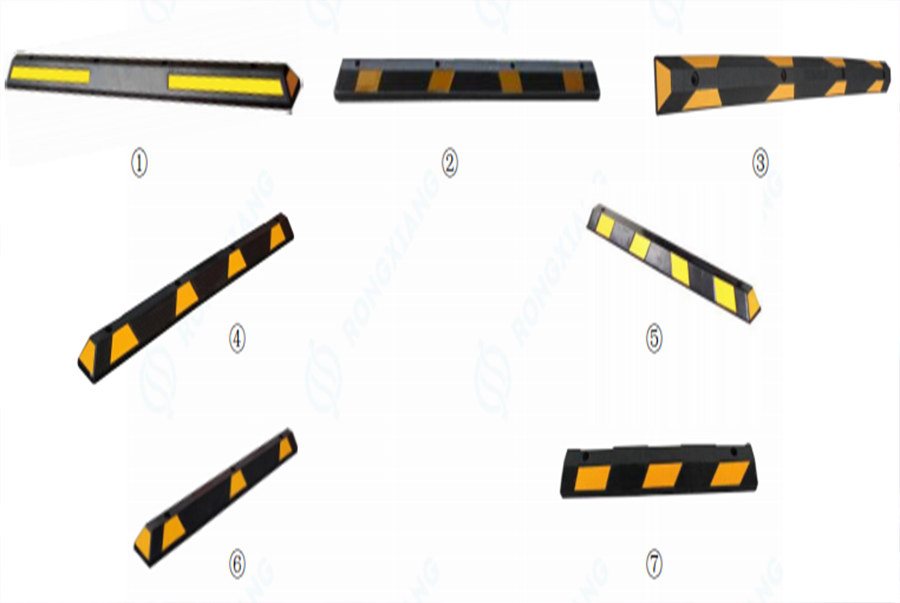
Wheel Stops function as controlled tire contact points. They are designed to absorb low-speed rolling force, typically under 8 km/h in parking conditions. Their standard height range of 90–100 mm ensures tire engagement without interfering with vehicle undercarriage clearance. When positioned correctly, they reduce forward creep caused by brake release or sloped pavement. In structured lots, they create uniform stopping lines that improve bay utilization rates and maintain consistent pedestrian clearance zones. Their horizontal design distributes tire pressure across a wider surface area, minimizing localized pavement stress and extending asphalt service life.
Bollards are engineered for higher impact resistance compared to Wheel Stops. They are often constructed from steel pipe with concrete infill, typically 114–168 mm in diameter, and anchored into concrete footings 900–1200 mm deep. This structural embedding allows them to resist forward vehicle momentum rather than just tire roll. In storefront zones and pedestrian walkways, bollards act as fixed protective barriers against unintended acceleration. Their vertical profile creates clear visual boundaries and physical resistance, making them suitable for entrances, glazing protection, and column shielding in high-traffic commercial environments.
When used together, Wheel Stops and bollards create a layered protection system. Wheel Stops control vehicle positioning at the tire level, reducing approach speed and defining final stopping distance. Bollards provide structural resistance beyond that point. In EV charging stations, this combination protects charging pedestals by preventing tire overrun and shielding equipment from frontal impact. In retail storefronts, Wheel Stops maintain parking depth while bollards guard façade glazing. Coordinated spacing between the two elements ensures sufficient clearance for pedestrian flow while maintaining engineered protection against both slow roll and higher-force impact scenarios.
Properly installed Wheel Stops improve parking order and site safety. Correct placement, secure anchoring, and material selection ensure long-term performance in commercial, EV, and industrial settings. High visibility and routine inspection further protect vehicles and pedestrians. Chengdu Rongxiang Technology Co., Ltd. provides durable Wheel Stops with strong impact resistance and reflective features, delivering reliable protection and professional support for modern parking environments.
A: Wheel Stops control parking depth, prevent overhang, and protect walls and walkways.
A: Place Wheel Stops 2–3 feet from walls, centered in each bay for even tire contact.
A: Wheel Stops ensure proper stopping distance and protect charging equipment.
A: Drill guide holes, insert anchor pins, and secure Wheel Stops firmly to prevent movement.
A: Rubber Wheel Stops suit light traffic, while concrete units handle heavy-duty use.
A: Inspect Wheel Stops quarterly for loose anchors and worn reflective strips.
 English


