
Views: 0 Author: Site Editor Publish Time: 2025-11-23 Origin: Site
Traffic cones are a vital component of road safety, guiding drivers and pedestrians around construction zones, accidents, or other hazardous areas. These brightly colored cones are placed along roadways to create a visible and safe pathway. While traffic cones are critical for public safety, there may be times when drivers or pedestrians question whether it is an offence to move them.
Traffic cones are essential tools used by traffic management authorities, construction crews, and law enforcement agencies to direct or divert traffic in a controlled and safe manner. They serve as temporary markers to warn of potential dangers, roadworks, or road closures. The brightly colored orange or fluorescent cones with reflective stripes are designed to be highly visible, day or night, and act as a warning to motorists, cyclists, and pedestrians.
Some of the primary purposes of traffic cones include:
Diverting Traffic: When a road is under construction or there’s a blockage, traffic cones help guide drivers around the affected area.
Indicating Hazards: In the event of an accident or an obstruction on the road, cones are used to mark off unsafe areas and protect both the public and emergency responders.
Marking Temporary Parking Areas: In some cases, cones may be used to reserve temporary parking spaces during events, roadwork, or emergencies.
Creating Safe Zones for Pedestrians: Cones also help pedestrians safely navigate around construction zones or areas with hazardous conditions.
Overall, traffic cones play a pivotal role in ensuring public safety and the smooth flow of traffic. Their placement is carefully considered to minimize the risk of accidents and guide individuals safely around dangerous or restricted zones.
Traffic cones are vital tools used by traffic management authorities, construction teams, and law enforcement to maintain road safety and ensure smooth traffic flow. These brightly colored cones are strategically placed in areas where they are most needed to guide drivers, protect workers, and prevent accidents. The specific placement of traffic cones is determined by experts in various fields, including traffic management and public safety. In this section, we will explore the key factors that influence where traffic cones are placed.
One of the most common places for traffic cones is in roadworks or construction zones. Cones are used to direct drivers around work zones to protect construction workers and ensure their safety. These cones help create temporary detours and narrow lanes, allowing vehicles to pass through areas under construction safely. They also prevent drivers from straying into dangerous or restricted areas, such as excavation sites or where heavy machinery is in operation. By marking clear boundaries and guiding traffic, cones play an essential role in reducing the risk of accidents and ensuring smooth traffic flow during roadworks.
Traffic cones are also used to mark accident or emergency sites on the road. When an accident occurs, cones are strategically placed around the scene to warn drivers of the situation ahead and to prevent further collisions. The cones create a visible buffer zone around the accident site, alerting other road users to slow down and proceed with caution. In some cases, cones may also be placed to mark a clear route for emergency vehicles to pass through, ensuring that responders can quickly reach the scene. By directing traffic around the incident, cones help to maintain order and minimize the likelihood of secondary accidents.
During large public events such as concerts, sports events, or parades, traffic cones are used to manage crowds and direct both vehicles and pedestrians. Cones can be used to cordon off specific areas for pedestrian traffic, creating safe zones and guiding people to designated entry and exit points. Similarly, cones may be placed to create temporary traffic lanes, ensuring that vehicles are diverted from the event area or around road closures. Their role in organizing both pedestrian and vehicle movement helps to prevent chaos and ensures the safety of attendees.
In some cases, roads need to be closed for maintenance, repairs, or due to an incident. Cones are used to mark the boundaries of these closed roads and prevent drivers from accidentally entering unsafe or restricted areas. When a road is closed, cones help prevent traffic from entering hazardous zones, such as flooded areas, unstable structures, or areas under construction. These cones ensure that vehicles are properly diverted onto alternative routes and that no one enters an area where they could be at risk.
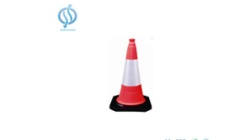
Now that we understand the importance of traffic cones, the next logical question is whether it is legal to move them. The answer to this question depends on the jurisdiction and the circumstances in which the cones are moved.
In most cases, moving traffic cones is considered an offence because it can interfere with the safety of the public. Traffic cones are typically placed by authorized personnel such as traffic police officers, construction workers, or municipal workers. These individuals are responsible for ensuring that the cones are correctly placed to manage traffic or mark hazards.
If someone moves the cones without permission, it can result in dangerous consequences, such as:
Increased Risk of Accidents: By moving cones, drivers may unknowingly drive into unsafe or restricted zones, putting themselves and others at risk.
Delaying Emergency Services: Traffic cones are often placed to create clear lanes for emergency vehicles or to keep them out of hazardous areas. Moving these cones can delay emergency response time and create further chaos.
Obstructing Ongoing Work: Moving cones may interfere with construction work or road repairs, causing delays in essential infrastructure projects.
Therefore, tampering with traffic cones can be classified as a violation of traffic laws or public safety regulations. In many jurisdictions, it is illegal to interfere with traffic management equipment, including cones, barricades, and signs.
The legal consequences of moving traffic cones vary depending on the country, state, or local laws. However, some common penalties for tampering with traffic cones include:
Fines: Individuals caught moving or tampering with traffic cones may face fines. The amount of the fine can vary depending on the severity of the offence and the local laws.
Traffic Violations: In some cases, moving traffic cones can result in a formal traffic violation. This can affect the individual’s driving record and may lead to points on their license or other penalties.
Criminal Charges: If the act of moving traffic cones leads to serious accidents or obstructs emergency services, criminal charges may be pressed. This could result in more severe consequences, including jail time.
Civil Liability: If moving traffic cones results in damage to property or injuries, the individual responsible may be held liable for the costs associated with the accident or damage.
In general, moving traffic cones is not only a safety concern but can also lead to legal repercussions. It is always advisable to leave traffic cones undisturbed and allow the professionals to manage their placement.
While moving traffic cones is generally discouraged and illegal in most circumstances, there may be instances where it is permissible. These situations, however, are exceptions and should always be handled with caution. Some of the scenarios where it might be acceptable to move traffic cones include:
Emergency Situations: In rare cases, such as if you are in immediate danger, it may be necessary to move cones to ensure your safety. However, it is important to call the appropriate authorities, such as the police or emergency services, and explain the situation.
Authorized Personnel: If you are an authorized worker or contractor involved in construction or road maintenance, you may have the necessary permission to move traffic cones as part of your job duties. In these cases, you should follow the established protocols to ensure safety and compliance with the law.
Even in these exceptional circumstances, it is essential to act responsibly and ensure that the cones are replaced promptly after being moved to avoid creating hazards for others.
Traffic cones serve a critical purpose in maintaining road safety and efficient traffic flow. They are designed to guide drivers around hazards, accidents, and construction zones, providing protection for both the public and workers. Moving traffic cones without authorization is generally considered an offence because it can create dangerous situations, impede emergency services, and disrupt ongoing work. The penalties for tampering with traffic cones can range from fines to criminal charges, depending on the severity of the violation and local laws.
If you are ever in a situation where you encounter traffic cones, it is best to leave them in place unless you have clear permission to move them. Respecting the placement of traffic cones ensures the safety of all road users and helps to maintain order in public spaces.
For businesses involved in construction or traffic management, investing in high-quality traffic safety equipment, including durable traffic cones, is essential. Companies like Chengdu Rongxiang Technology Co., Ltd. specialize in providing top-notch safety solutions to meet the needs of various industries. Whether you’re looking for traffic cones or other road safety products, reaching out to a trusted supplier can help ensure your operations run smoothly and safely.
 English


