
Views: 0 Author: Site Editor Publish Time: 2025-11-27 Origin: Site
Traffic cones are essential tools used to ensure safety and manage traffic flow in various environments, from construction sites to road closures and accident scenes. Their purpose is clear: to provide a visual warning for drivers and pedestrians. However, not all traffic cones are created equal. The materials used in their construction play a significant role in their performance, particularly when exposed to extreme weather conditions and the rigors of daily use.
Among the most commonly used materials for traffic cones are PVC (Polyvinyl Chloride) and LDPE (Low-Density Polyethylene). Both have distinct advantages and are suited to different environmental conditions and applications. In this blog, we will explore the differences between PVC and LDPE traffic cones, focusing on how these materials perform under extreme weather conditions and their overall durability.
Traffic cones are an integral part of road safety. They are commonly used for directing traffic, marking hazardous areas, and ensuring public safety during various activities such as road construction, repairs, and accidents. While traffic cones come in various colors and sizes, the material they are made of greatly influences their effectiveness, especially in demanding environments.
In particular, two materials—PVC and LDPE—are the most commonly used in the production of traffic cones. Each material offers different benefits and performance characteristics. Understanding how these materials perform in extreme weather conditions and their overall durability can help you make an informed decision about which is the best option for your needs.
PVC, or Polyvinyl Chloride, is a widely used plastic material known for its durability, flexibility, and resistance to environmental elements. It is produced through the polymerization of vinyl chloride monomers and can be made rigid or flexible depending on its formulation.
Strength and Rigidity: PVC traffic cones are rigid and strong, providing excellent stability and structure. This makes them ideal for areas with high traffic or where cones need to stay upright for extended periods.
UV Resistance: PVC has a good resistance to UV rays, meaning it can withstand prolonged exposure to sunlight without fading or degrading. This is especially important in regions with intense sunlight or high temperatures.
Weather Resistance: PVC is resistant to most weather conditions, including rain, snow, and wind. It maintains its structural integrity even under moderate to severe weather conditions, making it a suitable choice for outdoor use in various climates.
Cost-Effectiveness: PVC cones are generally more affordable than their LDPE counterparts, making them a popular choice for short-term use or temporary traffic control needs.
Brittleness in Cold Weather: One significant drawback of PVC traffic cones is their tendency to become brittle in extremely cold temperatures. When exposed to freezing temperatures, PVC can crack or break upon impact, reducing its durability.
Limited Flexibility: While PVC is strong and rigid, it lacks the flexibility of LDPE, which can be a disadvantage in situations where cones are subjected to physical stress or impact.
LDPE, or Low-Density Polyethylene, is a softer, more flexible plastic material compared to PVC. It is made by polymerizing ethylene, and its molecular structure gives it a more flexible and less rigid characteristic. LDPE is commonly used in products that require durability combined with flexibility.
Flexibility and Resilience: LDPE traffic cones are highly flexible, which means they are less likely to crack or break under impact. This makes them ideal for environments where the cones are frequently hit or moved around, such as construction sites or areas with heavy machinery.
Cold Weather Performance: Unlike PVC, LDPE remains flexible and durable even in freezing temperatures. This flexibility makes LDPE cones less likely to crack or become damaged in extremely cold conditions.
Weather Resistance: LDPE cones are highly resistant to weather conditions, including rain, snow, and ice. They are not as prone to UV damage as PVC but offer a high level of resistance to fading and cracking due to prolonged exposure to the elements.
Durability and Longevity: LDPE cones tend to have a longer lifespan than PVC cones, as they can endure harsh impacts and extreme temperatures without losing their shape or functionality.
Higher Cost: LDPE cones tend to be more expensive than PVC cones due to the material’s durability and flexibility. This makes them less cost-effective for applications that do not require as much durability or for short-term use.
Slightly Less Stability: While LDPE cones are flexible, they may not be as rigid and stable as PVC cones in high winds or heavy traffic areas. This could lead to the need for additional weighting or support in some applications.
PVC: PVC becomes increasingly brittle in cold weather, especially at temperatures below freezing. If a PVC traffic cone is dropped or subjected to a heavy impact in these conditions, it can easily crack or shatter, compromising its structural integrity and effectiveness.
LDPE: LDPE, on the other hand, remains flexible and resistant to cracking in cold temperatures. This makes it a better option for regions that experience freezing winters or areas where the cones are likely to be exposed to snow, ice, and low temperatures.
PVC: PVC cones perform well in hot weather, with excellent resistance to UV rays and sunlight. However, prolonged exposure to high heat can cause PVC to become soft and deformed over time.
LDPE: LDPE also performs well under high temperatures and has good UV resistance. While it is generally more flexible than PVC, it does not lose its shape or stability as easily under heat, making it a durable choice for hot climates.
PVC: PVC is known for its UV resistance, which helps prevent fading and degradation from prolonged sun exposure. However, it can become brittle in extreme conditions, especially in areas with high UV radiation levels.
LDPE: LDPE is less prone to UV damage than PVC, but it can still degrade over time with prolonged exposure. While LDPE is more flexible and resilient, it may not offer the same long-term UV resistance as PVC.
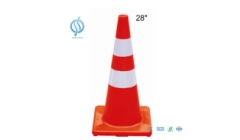
Both PVC and LDPE have their advantages when it comes to durability, but their performance depends on the specific environmental conditions they are exposed to:
PVC: PVC cones are durable and rigid, offering good structural integrity in many environments. However, they are prone to brittleness in extremely cold temperatures, and they can be damaged by heavy impacts or physical stress.
LDPE: LDPE is more durable overall, particularly in extreme conditions. Its flexibility allows it to withstand impacts without cracking, making it ideal for high-impact environments. Moreover, LDPE cones are less affected by cold temperatures, making them a better choice for regions with harsh winters.
When choosing between PVC and LDPE traffic cones, cost is an important factor to consider:
PVC Cones: PVC is generally more affordable than LDPE. The lower material cost and simpler manufacturing process make PVC cones a cost-effective option for short-term use or situations where durability is less of a concern.
LDPE Cones: While LDPE cones are more expensive due to their flexibility and long-term durability, they are ideal for projects that require long-lasting and resilient cones, especially in harsh weather conditions. For businesses looking for more durable and flexible traffic cones, LDPE may be worth the higher investment.
If your project requires traffic cones that will be exposed to extreme weather conditions—such as freezing temperatures, intense sunlight, or frequent physical impacts—LDPE traffic cones are the superior choice. Their ability to remain flexible in cold weather, coupled with their overall durability, makes them ideal for long-term use in a variety of environments.
On the other hand, if you need traffic cones for short-term use, mild weather conditions, or areas with low impact risks, PVC cones may be a more cost-effective option.
When choosing the best material for your traffic cones, it’s crucial to consider both performance under extreme weather and overall durability. PVC traffic cones are a great choice for more stable conditions and cost-effectiveness, while LDPE cones offer superior flexibility, durability, and performance in cold weather and high-impact environments.
For businesses that require high-quality, durable traffic cones tailored to specific environmental conditions, Chengdu Rongxiang Technology Co., Ltd. offers a wide range of traffic cones made from both PVC and LDPE materials. With expertise in providing top-tier traffic safety products, they can help guide you to the best choice based on your needs.
If you’re looking for more information about durable traffic cones that can withstand extreme weather conditions, feel free to contact Chengdu Rongxiang Technology Co., Ltd. Their team is ready to help you find the perfect solution for your traffic safety needs.
 English


