Views: 0 Author: Site Editor Publish Time: 2026-10-13 Origin: Site
Commercial property management is undergoing a significant transformation. Property owners are rapidly phasing out heavy, brittle concrete blocks. They now favor modern wheel stop materials. Facility managers face a tough procurement challenge today. They must decide between rubber and plastic based on strict site-specific variables. Factors like climate, surface condition, and traffic volume heavily influence this choice. Making the wrong selection creates unsafe conditions and compliance headaches. It also leads to frustrating, premature product failures. We designed this article to provide an objective, evidence-based comparison. Our goal is to help you navigate these choices confidently. You will discover how different materials react to impacts, weather, and chemicals. By the end, you can make a compliant, cost-effective purchasing decision tailored to your specific lot.
Failing or improperly specified parking lot wheel stoppers create severe, hidden safety hazards. Pedestrians often trip over cracked, dislodged, or misaligned blocks. These unexpected trip hazards introduce massive ADA compliance liabilities for property owners. Property managers must prioritize pedestrian safety to avoid costly personal injury lawsuits. You need highly visible, intact barriers to guide vehicles safely and protect pedestrian walkways. Selecting the appropriate, durable material directly mitigates these hidden safety risks.
Historically, commercial parking lots relied almost exclusively on heavy concrete units. However, we are currently witnessing a massive industry shift away from this outdated concrete baseline. Concrete cracks incredibly easily under repetitive vehicle impact. It acts like a sponge, absorbing ground moisture and rainwater. This trapped moisture eventually freezes and shatters the brittle block from the inside out. Furthermore, deploying concrete requires heavy machinery, forklifts, and multiple workers just to position one unit. Maintenance teams also spend countless hours and dollars repainting faded, chipped concrete units every spring. Modern polymer and rubber alternatives permanently eliminate these frequent, frustrating maintenance cycles. They offer vastly superior durability, safer handling, and lasting visual contrast without ongoing labor.
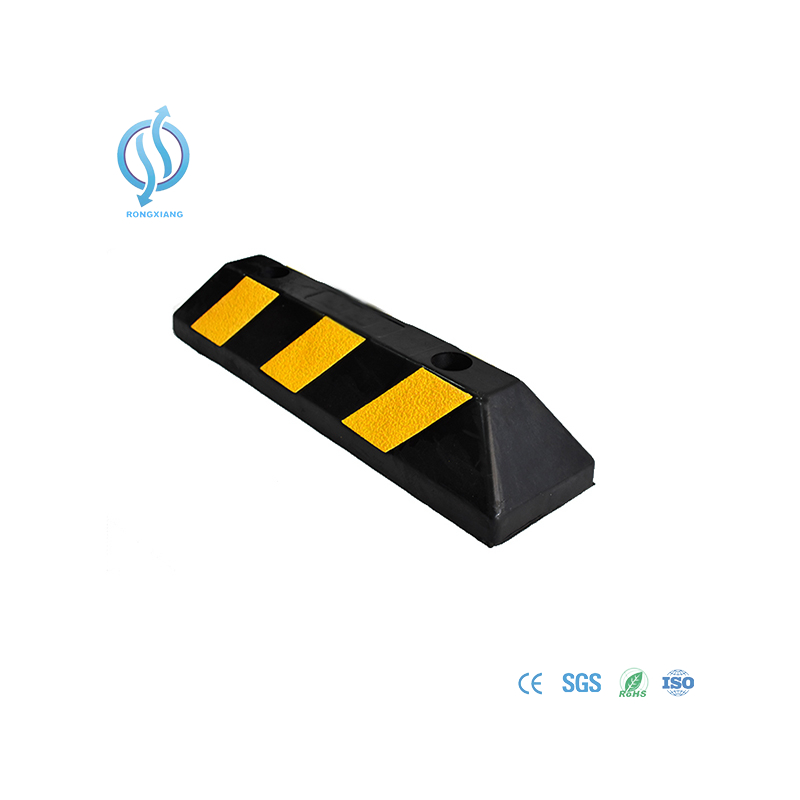
Manufacturers produce these resilient blocks from 100% recycled tire rubber. This highly eco-friendly process repurposes millions of discarded tires annually. It yields a high-density product with exceptional elasticity and memory. rubber wheel stops provide unmatched versatility in demanding, high-traffic commercial environments.
While highly durable, rubber has specific inherent weaknesses. The embedded reflective highway tape or painted yellow sections can wear down over time from tire friction. Property managers must occasionally clean or reapply tape for optimal nighttime visibility. Additionally, prolonged exposure to pooling oil, leaked gasoline, or harsh industrial solvents actively degrades the rubber composition over time.
Manufacturers create these ultra-lightweight units from extruded or molded High-Density Polyethylene (HDPE). Many forward-thinking brands also utilize premium recycled composite plastics derived from consumer waste. plastic wheel stops deliver distinct, highly specific operational advantages in pristine commercial settings.
Rigidity remains the biggest hurdle. Plastic will not contour to dipped, sloped, or uneven pavement. Installing these rigid blocks on uneven ground creates a dangerous physical fulcrum effect. The resulting back-and-forth rocking motion quickly pulls the fasteners directly out of the pavement. Brittleness is another serious concern. Extreme cold temperatures can make the plastic material stiff and highly brittle. Heavy snowplow impacts may easily shatter or crack frozen plastic blocks during routine winter lot maintenance.
We must evaluate how each material performs under daily operational stress. Comparing them across key dimensions reveals exactly which option suits your specific property profile.
Understanding kinetic energy helps explain durability. Rubber absorbs incoming kinetic energy by compressing slightly under the load of a striking tire. It quickly bounces back to its original molded shape. Rigid plastic, however, deflects that impact force directly into the anchoring pins. This harsh deflection can eventually loosen the bolts or crack the surrounding pavement if vehicles strike them too hard or too frequently.
Nighttime visibility keeps pedestrians safe and ensures strict ADA compliance. Plastic units use bright, solid molded-in colors for maximum daytime contrast against dark asphalt. Rubber units typically embed highly reflective, highway-grade tape. This tape catches and brilliantly reflects vehicle headlights exceptionally well during dark, rainy, or stormy conditions, alerting drivers early.
Placing these blocks over a massive 500-space commercial lot requires significant manual labor and time. Moving heavy 35-pound rubber units requires noticeably more physical effort than positioning ultra-light 15-pound plastic units. However, both synthetic options drastically outperform moving traditional 250-pound concrete blocks. Crews finish massive installations much faster, safer, and cheaper with either modern alternative.
Both synthetic materials offer strong sustainability footprints for eco-conscious facilities aiming for green certifications. Processing recycled tire rubber actively diverts toxic, non-biodegradable waste from overflowing landfills. Manufacturing molded units from recycled HDPE repurposes massive amounts of discarded consumer plastics into permanent infrastructure.
Material Performance Overview
| Feature/Attribute | Rubber Units | Plastic Units |
|---|---|---|
| Flexibility | High (Adapts to uneven asphalt) | Low (Requires flat surfaces) |
| Chemical Resistance | Moderate (Degrades in pooled oil) | Excellent (Impervious to chemicals) |
| UV Fade Resistance | Good (Tape may need replacement) | Excellent (Molded-in solid colors) |
| Cold Weather Resilience | Excellent (No freezing or cracking) | Poor (Can become brittle) |
Even premium parking wheel stops fail if your facility team ignores proper installation protocols. The hidden hardware you select matters just as much as the visible block itself.
Following the strict surface-to-hardware rule is absolutely non-negotiable for a lasting installation. Anchoring into soft, yielding asphalt requires long 14-inch rebar spikes to securely grip the deep sub-base. In stark contrast, solid, impenetrable concrete surfaces require thick lag bolts paired with lead expansion shields. Using smooth rebar spikes on concrete causes immediate surface spalling, zero grip, and inevitable hardware failure within weeks.
Establish a strict, documented annual inspection cadence for your entire lot. Check carefully for loose or damaged hardware every spring, regardless of the materials you installed. Tighten any slightly loose lag bolts immediately to prevent the block from wobbling. Replace heavily bent or rusted rebar spikes to maintain optimal pedestrian safety and prevent tripping hazards.
Selecting the ideal blocks protects your physical property, lowers liability, and safeguards your daily visitors. Modern synthetic materials universally outlast traditional concrete by many years. Choose rubber if your lot features older, uneven asphalt located in a cold climate. Its natural flexibility and superior freeze-thaw resistance will save you significant replacement money. Choose plastic if your lot features flat, newly poured concrete or faces heavy chemical exposure. Its chemical imperviousness, lightweight handling, and aesthetic longevity remain unmatched.
Your immediate next-step action should be conducting a thorough site audit. Walk the entire property to check pavement flatness and precisely measure any surface dipping. We highly recommend ordering a small sample batch of both materials for a localized pilot test. Monitor exactly how they perform under your specific traffic conditions for a few weeks before committing your budget to a full-site rollout. Smart, localized testing ensures a perfect match between your lot's surface and the product.
A: Quality Wheel Stops typically last between 5 and 10 years. This expected lifespan depends heavily on daily traffic volume and winter snowplow exposure. Rubber often survives plow strikes better, while plastic outlasts rubber in high-UV, sunny regions.
A: Yes. Both modern materials offer massive labor and freight advantages over traditional concrete. They completely eliminate the heavy lifting equipment concrete requires. They also resist cracking better and never need repainting, saving your facility teams extensive maintenance hours.
A: Commercial compliance typically dictates a standard 6-foot length. The height usually measures 4 inches, and the base width is exactly 6 inches. These precise dimensions prevent vehicle overhangs while securely accommodating varying vehicle bumper heights.
A: Yes, but you must select the correct material. Only rubber is suitable for uneven or older, dipping surfaces. It bends naturally to flush mount against the pavement. Rigid plastic will rock back and forth, eventually pulling out its concrete anchors.
 English